Interviewing Contractors for a Whole-Project Remodel in Sun Lakes
Why whole-project remodel interviews feel different in Sun Lakes
The realities that change how you screen people
A whole-project remodel is not just “kitchen plus bathrooms.” In Sun Lakes, it often means you are coordinating finishes, living around construction, and making decisions with long summer timelines in mind. That changes what you should listen for in an interview.
You are not only hiring someone to build. You are hiring someone to manage sequencing and hold decisions steady long enough to price them correctly. If a contractor talks like every step is interchangeable, or keeps shifting scope during the conversation, that is a red flag. Scope drift is where budgets get eaten, especially when multiple trades need to line up.
What to expect during the first homeowner conversation
In a good first meeting, you should leave with clarity on three things: how the contractor organizes planning, how they communicate during construction, and what “good” looks like at the end. You should also hear how they handle the parts that usually surprise homeowners: electrical upgrades, shower waterproofing details, flooring transitions, and the reality of dust control.
If your contractor spends the whole time talking about what they personally like, but not how they run a project, that is a gap. Likes do not install tile. Processes do.
Build a tight scope before you interview, or interviews will mislead you
Translate “we want it updated” into measurable decisions
Before you even schedule calls, write down what “whole-project remodel” means for your house. Homeowners often start with mood: warm neutrals, an open feel, modern lighting. Contractors need something else: a list of rooms and a list of what is moving.
Sun Lakes homes can vary widely, including how wiring, plumbing, and HVAC have been handled over the years. A contractor can only give a meaningful answer if they know what you are changing and what you are keeping.
Try to organize your notes by these categories:
- Rooms and work types (kitchen layout, bath conversions, flooring replacement)
- Systems likely to be touched (electrical panel, plumbing lines, HVAC returns)
- Surfaces and finishes (cabinet material, countertop edges, tile size, paint sheens)
- Timing and living needs (full stay-in plan, partial stay, or vacate strategy)
Ask yourself what you are willing to compromise
A whole-project remodel forces trade-offs. In interviews, you will learn quickly whether the contractor can talk about trade-offs without becoming vague.
For example, if you want custom cabinets everywhere, you may need to accept slower lead times on certain door styles, or you may need to keep one area simpler. If you are set on relocating plumbing for a new shower layout, that may be worth it, but you should be ready for the knock-on effects, like subfloor work and wall backer adjustments.
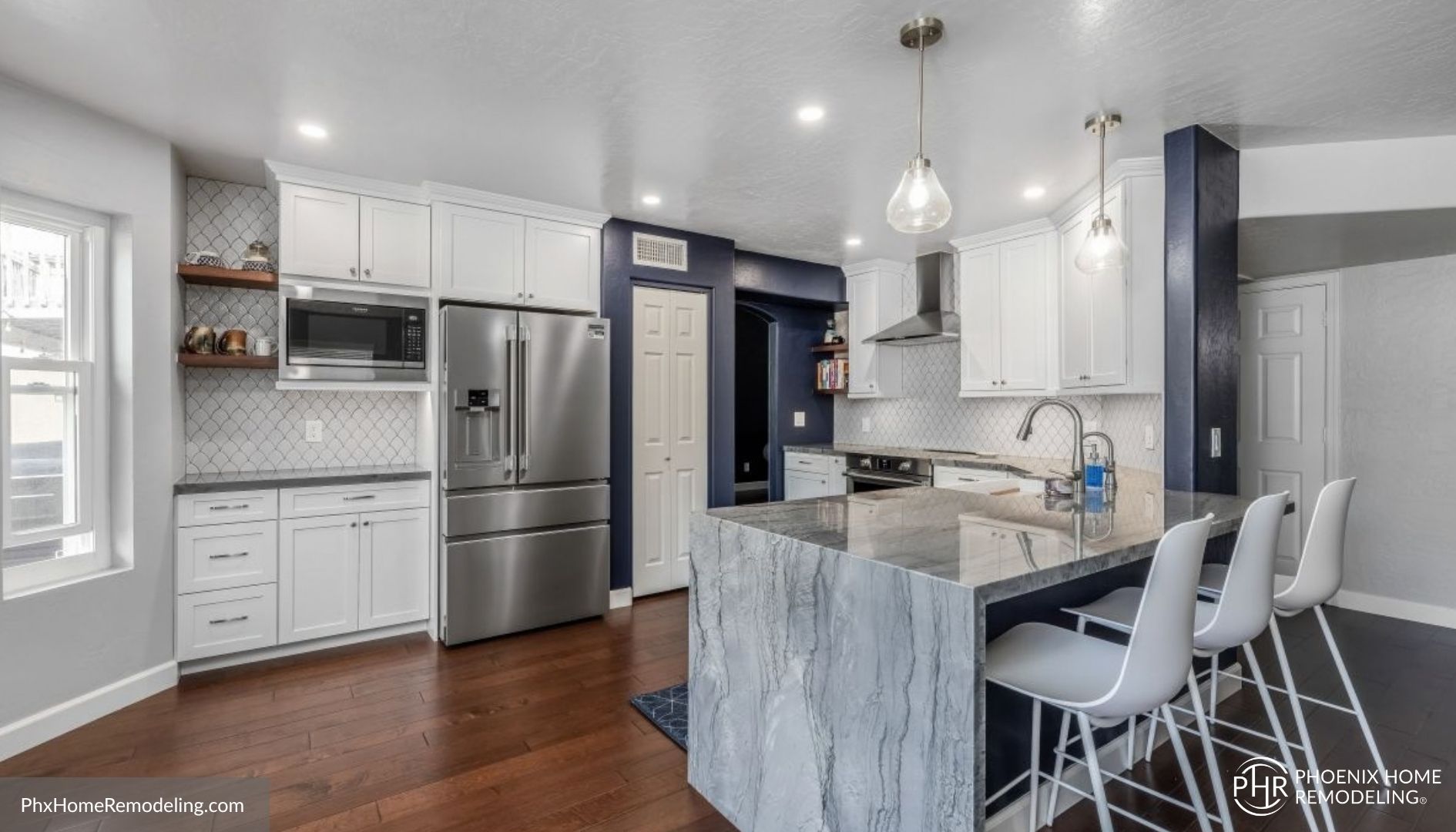
A contractor who offers only “yes” is not necessarily great. A contractor who can explain likely costs and sequencing impacts, and who can say “this is where the budget usually goes,” is more helpful.
Screen remodeling contractor competence with practical, not theoretical, questions
The planning and pricing logic you should hear
When you interview contractors, ask how they handle planning before construction begins. “We’ll figure it out as we go” is the kind of phrase that sounds flexible until change orders arrive.
One question that often clarifies everything is: how do you produce your pricing, and when do you lock it?
Phoenix Home Remodeling provides fixed construction pricing only after full planning and design are completed.
That statement matters because the alternative tends to be incomplete drawings, uncertain finish selections, and assumptions baked into estimates. Those assumptions then become “extras” during the build, even when you thought you were buying a finished plan.
How they talk about mistakes they have already seen
Interviewing is where you look for lived experience, not rehearsed confidence. Ask for examples of issues contractors typically run into on whole-home projects in the Phoenix area, and then listen for specifics.
You want answers like:
- How they verify electrical capacity before they finalize lighting layouts
- How they confirm subfloor condition before committing to a tile plan
- How they coordinate waterproofing schedules for showers, so trades do not step on each other
If they cannot describe common failure points, they might be avoiding realism. If they describe them too broadly without any details, that can be “story time” rather than a real system.
Communication habits that reveal whether you will be comfortable during construction
Homeowners often underestimate communication. During a remodel, you will make decisions in a narrow window, you https://sun-lakes-top-remodeling-contractor.phr.chatgpt.site will notice minor defects sooner than the contractor, and you will likely need updates on schedule and timing. In Sun Lakes, summers also pressure decisions, because extended downtime for certain trades can become frustrating.
Ask:
- How often do you provide progress updates?
- Who is responsible for daily site coordination?
- How do you handle questions when you are not available?
A contractor who responds with a clear chain of responsibility and consistent cadence is easier to live with.
Inspect their process, not just their portfolio
Look for consistency between drawings, materials, and execution
A portfolio can be beautiful, but the interview is where you determine whether their execution matches their presentation. Ask for examples that are similar to your house in scope, not just their best transformations.
For instance, if you are doing a kitchen plus bath conversions plus flooring, ask how they sequence demolition and rough-ins. You also want to know how they protect surrounding areas. A whole-project remodel can be clean-ish, but it still must be controlled.
Confirm how they handle lead times and material substitutions
Materials are a hidden project manager. If your contractor does not ask about your preferences early, it can mean they plan to substitute later. Substitutions are not automatically bad, but they should be discussed before they affect pricing and layout decisions.
During interviews, ask:
- How do you handle long lead items, like custom cabinet components or specialty tile?
- What happens if a manufacturer changes a finish or discontinues a product?
- How do you document selections so they do not “drift” over time?
The best contractors treat selections like project inputs, not preferences that can wander.
Verify the bid quality, and prevent change orders before they start
Make sure the estimate is based on full information
A common homeowner problem is receiving a proposal that looks detailed but is missing key choices, like tile patterns, outlet placements, cabinet elevations, or shower valve specifications. A lot of the time the numbers are only “complete” if the job goes exactly as they imagined.
That is why your interview should include a walk-through of what is included. You do not need a legal education, but you do need clarity.
Ask for the assumptions behind the price. If they avoid discussing assumptions, you should be cautious.
Use a short comparison checklist when you collect proposals
When you get bids back, do not compare only the totals. Compare the underlying scope and the assumptions. Here is a practical checklist to use across contractors:
- What is included for demo, disposal, and protection of adjacent areas
- Whether electrical scope includes code-required upgrades, not just replacements
- How plumbing changes are accounted for, including shower valve and rough-in details
- If flooring includes transitions, underlayment, and subfloor prep requirements
- What allowance ranges exist for finishes, and how substitutions are approved
If one proposal is lower, check whether it has more allowances, less scope, or fewer defined details. Those differences usually show up later as change orders.
Pay attention to edge cases that matter more than homeowners expect
Sun Lakes houses have their own quirks
Even within a specific community, houses can have different past renovations. Some may have older electrical that struggles with new appliance loads. Others may have plumbing that has been “patched” rather than replaced. Some may have floor systems that respond differently when you add tile or heavier countertops.
Ask your contractor how they plan to assess existing conditions before committing to finishes. For example, tile needs a stable base and correct waterproofing. Laminate or LVP needs a flat subfloor, and it needs proper transitions. If a contractor does not talk about verification, it can mean they are guessing.
The contractor’s stance on living in the home matters
Whole-project remodels force a living arrangement decision. Some homeowners can stay in place with careful staging. Others need to relocate temporarily to stay sane and safe.
Ask about:
- How they plan dust control and protection of HVAC returns
- Whether they schedule noisy work during predictable windows
- How they manage access, parking, and site safety
A contractor who treats your daily routine as part of the project plan tends to be more organized. A contractor who treats it as an inconvenience tends to make the process harder than it needs to be.
Get references the right way, and ask better questions than “Were they nice?”
Choose references that match your scope
A reference request is only useful if it is targeted. Ask for references from projects that include similar elements, like kitchen cabinet installs, shower waterproofing, flooring transitions, or electrical upgrades. If every reference is a bathroom refresh with no layout changes, it does not fully answer your risk questions.
When you reach out, be specific. You want to know how the renovation advice for aging in place contractor behaved when problems happened.
Questions that usually reveal the truth
Here is a short set of reference questions you can use. Keep it consistent so you can compare answers across contractors.
- What changed from the original plan, and how were those changes handled
- How often did communication fail or slow down, if it happened
- Were there any workmanship issues that needed correction, and how fast they fixed them
- Did the project finish on schedule, or what did “late” look like in reality
- If you did it again, what would you do differently or ask sooner
Listen for patterns. One odd complaint can be an outlier. A repeated theme across references often points to how the contractor operates.
Decide what “fit” means for your household, not just your project
Look for calm leadership, not constant persuasion
Some contractors Phoenix Home Remodeling home remodeling are naturally charismatic. Others are more reserved. Both can be excellent. What matters is whether they respond to your questions with practical judgment, whether they can explain options without pushing you to a single direction, and whether they admit what they do not know yet.
In Sun Lakes, your comfort level with the day-to-day matters. You will be living with the decisions you make now. You will also be living with the contractor’s schedule and crew habits.
Trust your instincts, but back them with documentation
If you feel rushed, that is a signal. If they cannot explain the work sequence, that is a signal. If they resist giving clear documentation of scope and selections, that is a signal.
Your job is not to demand perfection. Your job is to reduce uncertainty before it becomes expensive. That means requiring clear drawings, defined selections, and a bid structure that matches what you expect to get.
When a contractor can explain the “why” behind their process, you often end up with fewer surprises.
Make the interview outcome actionable
Turn meetings into a decision you can defend later
After each interview, write down what you learned while it is fresh. Include not only remodeling contractor services by Phoenix Home Remodeling who seemed the most confident, but also what they actually promised in terms of process.
Then compare contractors based on:
- Planning clarity
- Scope definition quality
- Communication cadence
- How they handle substitutions and long lead times
- How they respond to questions about existing conditions
You will not always pick the lowest number. You should not always pick the most impressive portfolio. For a whole-project remodel, the best contractor is often the one whose process reduces risk and protects your timeline.
Confirm the next step before you sign anything
Before you move forward, ask what happens next. For example, will you do a formal design phase, product selections, and then a fixed pricing stage? Will you review a construction schedule with clear milestones? How do change orders get handled if something truly unforeseen occurs?
If you get a confident, organized answer and the documentation matches, you are likely in good hands. If you get “we’ll handle it later” as the main strategy, you are rolling the dice.
A whole-project remodel is a big commitment, especially when you are juggling daily life in Sun Lakes. The right contractor will respect that and build a plan that is strong enough to survive reality.